
Cart 0

Share
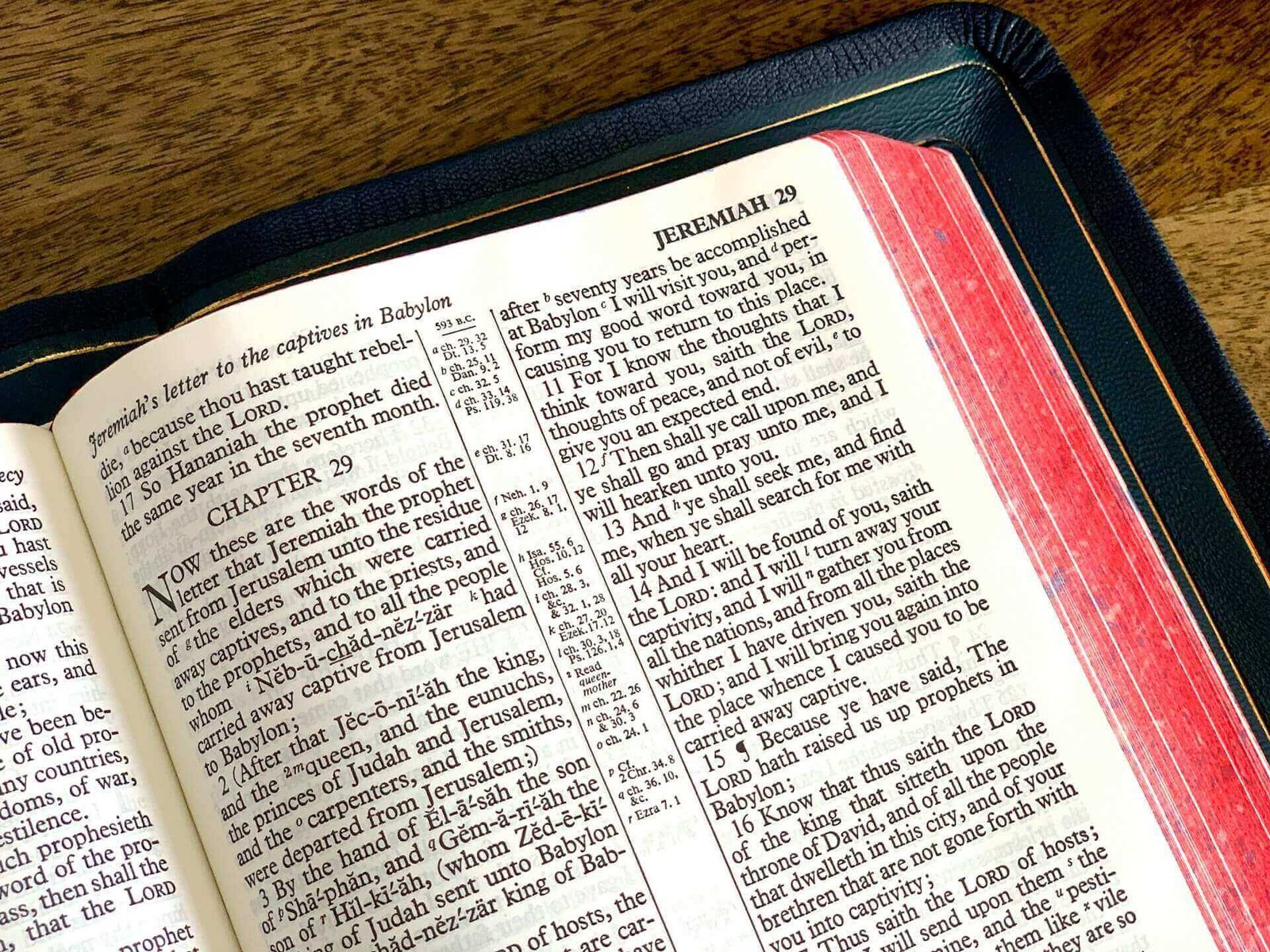
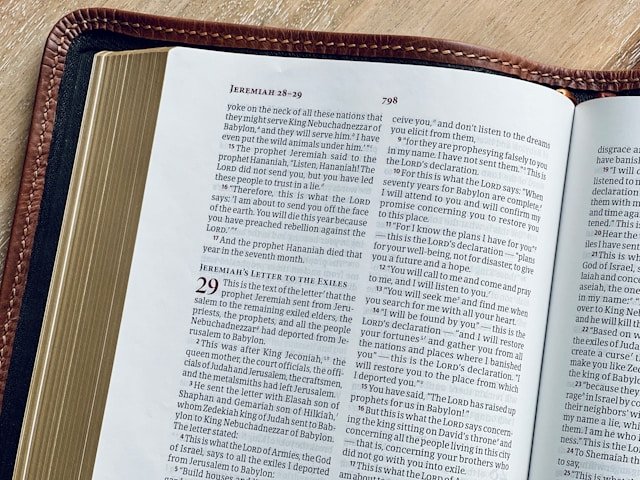
If you have spent any time in a church bookstore, scrolled through a Christian Instagram feed, or received a graduation card, you have likely encountered Jeremiah 29:11. It is often the first verse we cling to when the future feels foggy or when life takes an unexpected left turn. The words sound like a warm embrace: “For I know the plans I have for you, declares the Lord, plans to prosper you and not to harm you, plans to give you hope and a future.”
For many of us, this verse can also feel like a paradox. If God has such wonderful plans, why did I lose that job? Why did the relationship fail? Why does the diagnosis look so grim?
The Problem with Out-of-Context Promises
Before we can understand the hope found in Jeremiah 29:11, we need to address the elephant in the room: context.
We live in a culture obsessed with instant gratification. Consequently, we often treat the Bible like a magic 8-ball or a box of fortune cookies. We want a quick, personalized message that validates our current desires. However, when we rip Jeremiah 29:11 out of its historical setting, we turn a profound promise of restoration into a shallow guarantee of “health, wealth, and happiness.”
If we believe that “prosperity” means a life free of struggle, we are setting ourselves up for a faith crisis the moment a struggle arrives.
So, who was the original audience? They were not people living in a comfortable suburb. They were exiles.
The people of Israel had been dragged away from their homes, their Temple was destroyed, and they were living as refugees in Babylon. They were heartbroken, displaced, and terrified. They thought God had abandoned them.
Into that specific, dark, and desperate situation, God spoke through the prophet Jeremiah. He did not say, “I will instantly zap you back to your old life.” Instead, He said, “Settle down. Build houses. Plant gardens. Get married. Seek the peace of the city… For I know the plans I have for you.”
Here is the profound insight: The hope of Jeremiah 29:11 isn’t about avoiding the wilderness; it is about discovering God’s presence and purpose inside the wilderness.
The “Long Game” of God’s Love
Notice the tense used in Jeremiah 29:11. God says, “I know the plans I have for you.” He does not say, “I had plans before you messed up,” nor does He say, “I will make plans once you get your act together.”
- God’s plans are active, present, and continuous.
However, God plays the long game. He follows this famous verse with another promise in verses 12 and 13: “Then you will call on me and come and pray to me, and I will listen to you. You will seek me and find me when you seek me with all your heart.”
Did you catch that? The ultimate “future and hope” God offers is not a new car, a perfect spouse, or a fat bank account. The ultimate hope is restored intimacy with Him.
Sometimes, God uses the discomfort of the “exile” to cure us of our spiritual amnesia. When life is too easy, we tend to drift away from God. But when the bottom falls out, we suddenly remember how to pray. The “plans to prosper you” often begin with the plan to make you hungry for His presence again.
What “Prosperity” Really Means
One of the biggest misunderstandings about Jeremiah 29:11 comes from the word “prosper.” In the original Hebrew, the word used is Shalom.
We usually translate Shalom as “peace,” but it means so much more than the absence of conflict. Shalom means:
- Completeness
- Soundness
- Welfare
- Tranquility
- Wholeness
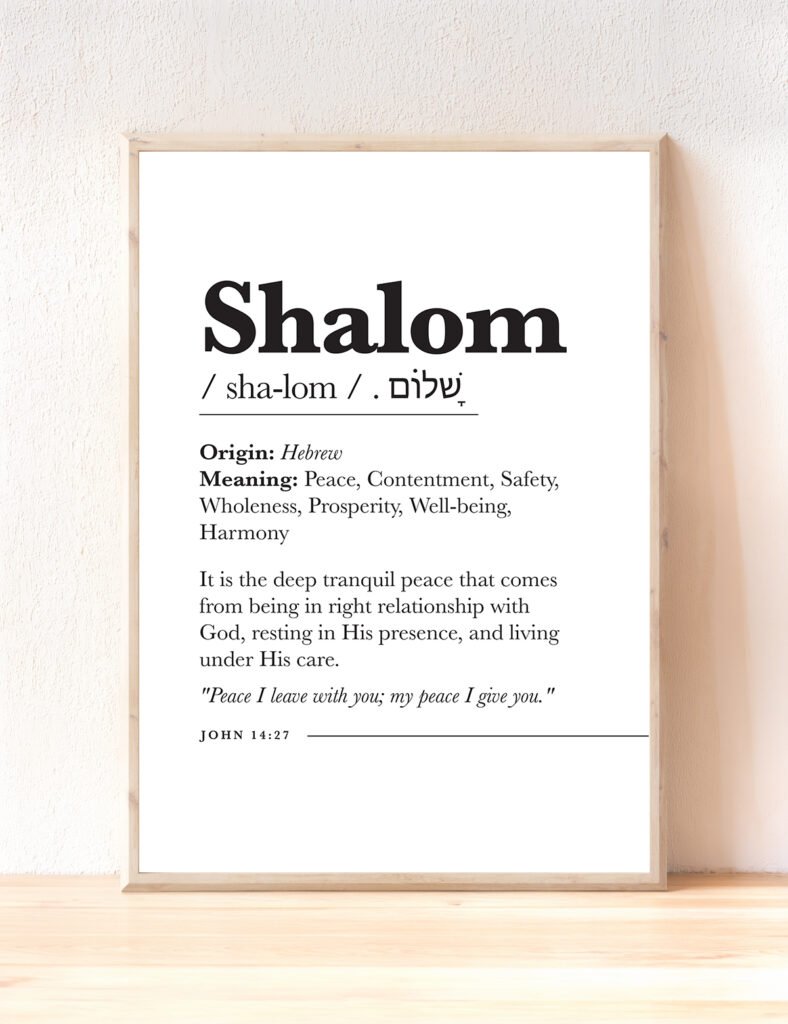
Shop the SHALOM Christian Wall Art
God is not promising you a life of excess; He is promising you a life of wholeness. He is promising that, in the end, He will put all the broken pieces back together.
Furthermore, this promise was corporate before it was individual. In the original language, the “you” in Jeremiah 29:11 is plural. God was speaking to the community of exiles, not just one person. This reminds us that our hope for the future is often tied to the people we do life with. We find our “future” when we build community, serve one another, and seek the peace of the city we live in.
How to Apply This Hope When You Feel Hopeless
If you are currently in a season that feels like exile—perhaps a season of singleness you didn’t want, a career that feels dead-ended, or a grief that won’t lift—how do you practically hold onto the hope of Jeremiah 29:11 without feeling like you are faking it?
Here are three practical steps to shift your perspective:
1. Bloom Where You Are Planted
Because God told the Israelites to “build houses and plant gardens,” we learn that waiting is not passive. It is active. If you are waiting for your “future hope” to arrive, don’t put your life on pause.
Start the hobby. Make the friend. Decorate the rental. Serve at the church. You don’t wait for the future; you prepare in the present.
2. Shift Your Definition of “Good”
We often define “good” as comfort, ease, and pleasure. God defines “good” as conformity to the image of Christ (Romans 8:28-29).
Therefore, if a trial drives you to prayer, increases your compassion for others, or strips away your pride, it might just be part of the “prosperity plan.” It is working for your ultimate wholeness, even if it hurts right now.
3. Focus on the Planner, Not the Plan
When we obsess over trying to figure out the exact blueprint of our future, we create anxiety. The reality is, you will never figure out the mind of God. But you can know the character of God.
When you trust the Planner, you don’t need to know the next step. You just need to hold His hand.

A Promise for the Journey
Jeremiah 29:11 was not written to people standing on the mountaintop. It was written to people sitting in the valley of the shadow of death. It was a word for the weary, the displaced, and the confused.
God never promised the exiles a shortcut. In fact, He told them they would be in Babylon for seventy years. For many of them, that was the rest of their natural lives. Yet, the promise of hope stood firm: “I have not forgotten you. I am not done with you. I am working a plan that you cannot see.”
And that is the same promise for you today.
Your current circumstances do not define your final destination. The heartbreak, the debt, the uncertainty, and the waiting room are not the end of your story. You serve a God who specializes in redemption. He brings beauty from ashes, and He brings resurrection from dead places.
So, take a deep breath. Settle into the life you have right now. Plant your garden. And rest in the unshakable truth of Jeremiah 29:11—He knows the plans He has for you. They are good. They are for wholeness. And they are filled with a hope that does not disappoint.